

If you’re researching zepbound side effects, you’re probably considering the medication or you’ve recently started it. Either way, you’re doing the right thing by looking deeper. As with any prescription treatment, understanding both the benefits and the potential risks helps you make informed, confident decisions.
Zepbound is the brand name for tirzepatide, a once-weekly injectable medication approved for chronic weight management in adults with obesity or overweight with weight-related health conditions. It works by targeting two important hormone pathways involved in appetite regulation and blood sugar control. While many people experience impressive weight loss results, side effects can occur — especially during the early weeks of treatment.
In this guide, we’ll break down everything you need to know about Zepbound Side Effects effects in a clear, practical, and expert-informed way. Let’s get into it.
Why Zepbound Causes Side Effects in the First Place
To understand the side effects, it helps to understand how the medication works. Zepbound Side Effects mimics two naturally occurring hormones in your body — GLP-1 and GIP. These hormones slow down digestion, increase feelings of fullness, and influence insulin release. That’s excellent for appetite control and metabolic improvement, but it also explains why many of the side effects are gastrointestinal.
When digestion slows down, your stomach empties more gradually. This is one of the reasons people feel fuller for longer. However, it can also lead to symptoms like nausea, bloating, or constipation. Your digestive system is essentially adjusting to a new rhythm.
Another reason side effects are common early on is dosage escalation. Zepbound is typically started at a lower dose and gradually increased over several weeks. Each increase can temporarily trigger symptoms as your body adapts to the stronger hormonal signal.
The good news? For most people, side effects are mild to moderate and improve significantly after the first few weeks. Patience and proper dose titration make a big difference.
Common Zepbound Side Effects
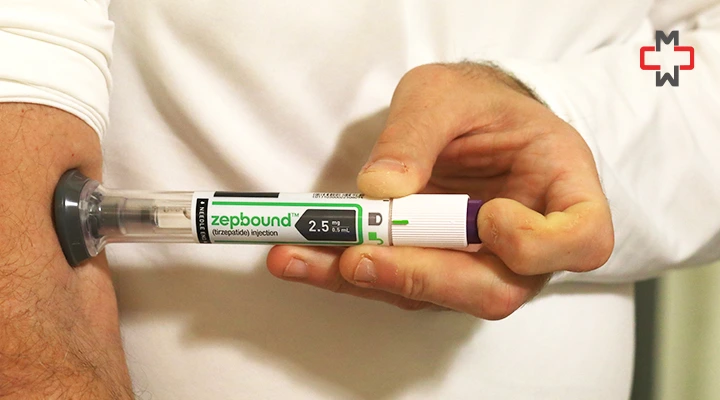
Most reported Zepbound side effects fall into the gastrointestinal category. These are usually most noticeable when starting treatment or increasing the dose.Nausea
Nausea is the most frequently reported side effect. It happens because the medication slows stomach emptying and affects appetite centers in the brain. For many people, nausea is mild and temporary.
Eating smaller meals, avoiding greasy or high-fat foods, and not overeating can significantly reduce symptoms. Staying hydrated also helps. Most patients notice improvement within a few weeks.
If nausea becomes persistent or severe, your healthcare provider may adjust your dose or slow down your titration schedule.Diarrhea
Diarrhea can occur as your digestive system adjusts. The body is essentially recalibrating how it processes food and fluids.
This symptom is typically short-lived. Drinking enough fluids is essential to prevent dehydration. Electrolyte-rich drinks may be helpful in more noticeable cases.
If diarrhea continues for more than several days or becomes severe, medical guidance is important.Constipation
Interestingly, while some Zepbound Side Effects experience diarrhea, others experience constipation. This is again due to slowed gastrointestinal motility.
Increasing fiber intake gradually, drinking plenty of water, and staying physically active can reduce this issue. However, avoid adding too much fiber too quickly, as that may worsen bloating.
Constipation tends to stabilize as the body adapts.Vomiting
Vomiting is less common than nausea but can happen, especially at higher doses. It often signals that the digestive system is overwhelmed, sometimes due to eating too much or too quickly.
Spacing meals out and eating slowly can reduce the risk. Persistent vomiting should always be discussed with a healthcare provider.
Less Common but More Serious Side Effects
While most Zepbound side effects are mild, there are rarer but more serious risks to be aware of.Pancreatitis
Inflammation of the pancreas is rare but possible with medications that affect GLP-1 pathways. Symptoms include severe abdominal pain that may radiate to the back, nausea, and vomiting that doesn’t improve.
If you experience intense, persistent abdominal pain, seek medical care immediately. This is not a “wait it out” situation.Gallbladder Issues
Rapid weight loss itself can increase the risk of gallstones. Since Zepbound can lead to significant weight reduction, gallbladder-related issues may occur in some individuals.
Symptoms may include sharp pain in the upper right abdomen, especially after fatty meals. Monitoring and early medical evaluation are important.Thyroid Tumor Warning
Zepbound carries a boxed warning regarding thyroid C-cell tumors based on animal studies. It is not known whether this risk applies to humans, but caution is advised.
People with a personal or family history of medullary thyroid carcinoma or Multiple Endocrine Neoplasia syndrome type 2 should not use this medication. If you notice neck swelling, hoarseness, or difficulty swallowing, consult your doctor
Who Is More Likely to Experience Side Effects?
Certain individuals may be more sensitive to Zepbound Side Effects. Understanding risk factors helps you anticipate and manage them better.
People who are highly sensitive to medications that affect digestion may notice stronger gastrointestinal symptoms at first. Similarly, those who already struggle with reflux, IBS, or slow digestion may experience more noticeable adjustments.
Individuals who increase their dose too quickly are also more likely to feel side effects. Following the recommended titration schedule is critical.
Finally, dietary habits matter. Eating large portions, fatty meals, or high-Zepbound Side Effects foods can worsen nausea and digestive discomfort while on Zepbound.
Practical Tips to Minimize Zepbound Side Effects
The difference between a rough start and a smooth experience often comes down to strategy. Here are practical, expert-backed tips:
First, eat smaller meals. This cannot be overstated. Large meals overwhelm a slowed digestive system and trigger nausea or vomiting.
Second, prioritize protein and simple foods early on. Lean proteins, vegetables, and bland meals are easier to tolerate than greasy or heavily processed foods.
Third, stay hydrated. Slow digestion can increase dehydration risk, especially if diarrhea occurs. Sip fluids consistently throughout the day.
Fourth, be patient with dose increases. If side effects feel intense, discuss a slower titration schedule with your provider rather than quitting abruptly.
Most importantly, communicate with your healthcare team. Adjustments can almost always be made.
When to Contact a Doctor Immediately
While many Zepbound side effects are manageable, certain symptoms require urgent evaluation.
Seek medical attention if you experience severe abdominal pain, persistent vomiting, signs of dehydration, difficulty breathing, swelling of the face or throat, or symptoms suggestive of thyroid problems.
Allergic reactions are rare but possible. Hives, rash, or throat tightness should never be ignored.
Trust your instincts. If something feels unusually severe or different from expected side effects, get it checked out.
Final Thoughts: Balancing Benefits and Risks
Zepbound has helped many people achieve meaningful weight loss and metabolic improvements. For individuals struggling with obesity or weight-related health conditions, it can be life-changing.
That said, no medication is free from side effects. The majority of Zepbound side effects are digestive, mild to moderate, and temporary. Serious complications are rare but important to understand.
The key is informed use. Start slowly. Follow medical guidance. Adjust your diet. Stay hydrated. And keep communication open with your healthcare provider.