
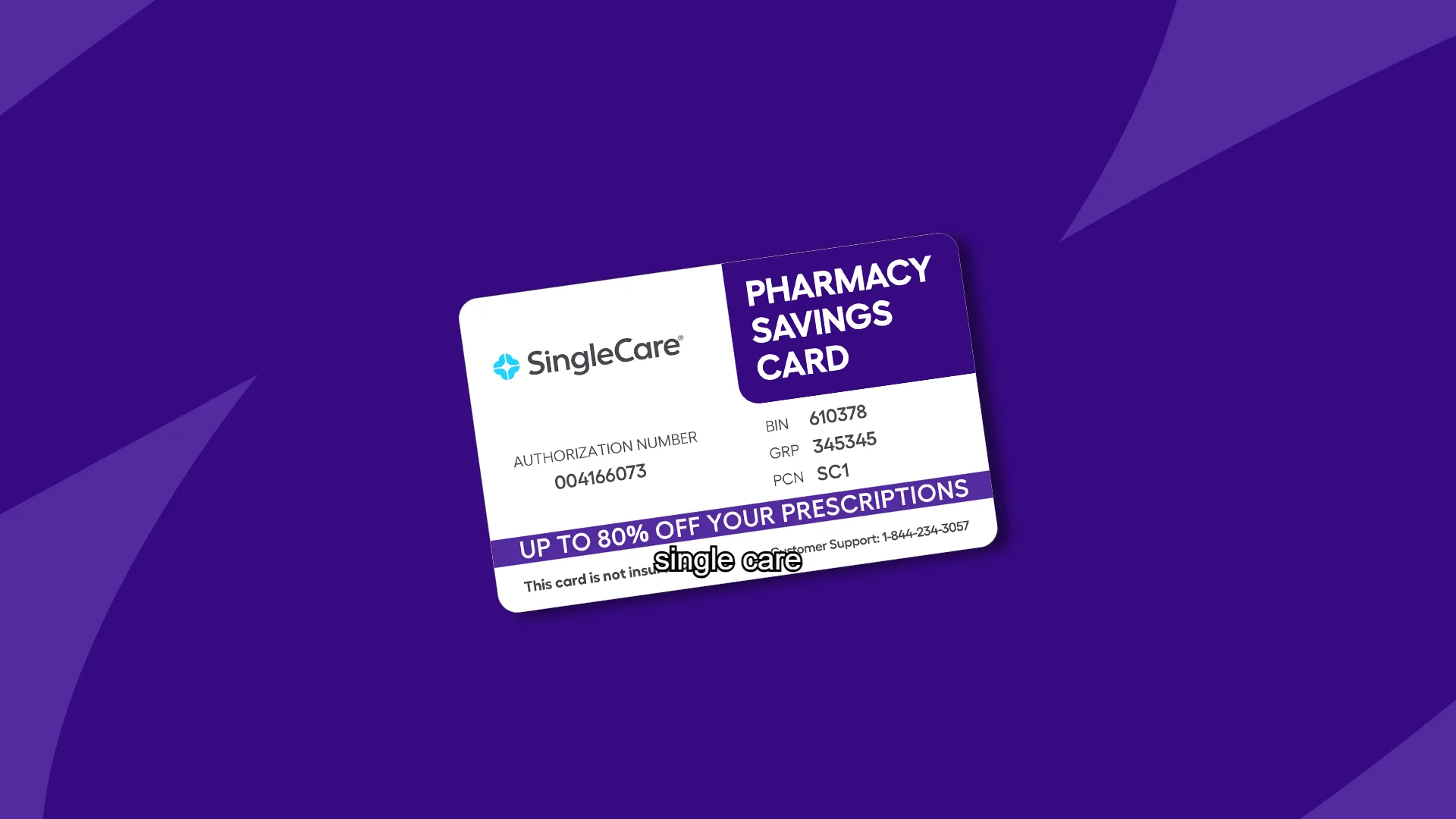
Healthcare Single Care can feel overwhelming. Between prescription medications, dental visits, vision checkups, and unexpected medical expenses, it often seems like there’s always another bill around the corner. That’s where single care comes into the picture. While the phrase may sound simple, the concept behind it is powerful. It represents a streamlined, cost-conscious approach to managing healthcare expenses without the complexity of traditional insurance plans.
In today’s healthcare environment, consumers are becoming more proactive. People want transparency. They want predictable pricing. Most importantly, they want options. Single solutions are designed to give individuals and families more control over their medical spending while maintaining access to quality services. Instead of navigating confusing coverage rules and surprise charges, single care focuses on clarity, savings, and convenience.
In this article, we’ll break down what single really means, how it works, who benefits most from it, and why it’s becoming an increasingly popular option in modern healthcare planning.
Understanding What Single Care Really Means
At its core, single refers to a healthcare savings approach that allows individuals to access discounted medical services and prescriptions without relying on traditional insurance coverage. It is not insurance itself. Instead, it operates as a savings program that negotiates lower prices on medications and certain healthcare services through established networks.
One of the biggest misconceptions about single care is that it replaces health insurance. It does not. Instead, it complements or serves as an alternative for people who may not have insurance, have high-deductible plans, or simply want to reduce out-of-pocket costs. The concept is straightforward: members gain access to pre-negotiated discounts at participating pharmacies and providers.
Another important aspect is simplicity. Traditional insurance plans can be filled with deductibles, copays, coinsurance, exclusions, and pre-authorization requirements. Single care programs eliminate much of that complexity. There are no claim forms to submit, no waiting periods, and typically no complicated approval processes. You present your card or membership information, and you receive the discounted rate immediately.
This simplicity is what makes single appealing to so many consumers today. It provides transparency and immediate savings without layers of bureaucracy.
How Single Care Works in Practice
To understand the practical value of single care, it helps to look at how it functions on a day-to-day basis. Most single care programs operate through a network of participating pharmacies, dental offices, and other healthcare providers. These networks agree to offer reduced rates to members.
When you need a prescription filled, for example, you present your single card or digital membership ID at the pharmacy. The pharmacist processes the medication using the program’s pricing system, and you pay the discounted amount directly. There are no reimbursement forms or back-end billing surprises. The price you see is the price you pay.
For medical or dental services, the process works similarly. Participating providers have pre-negotiated rates for common procedures. Members pay the reduced fee at the time of service. Because pricing is transparent, patients can make informed decisions before receiving care.
Another advantage is flexibility. Many single care programs do not restrict members to a narrow network. Instead, they partner with a broad range of providers nationwide, giving individuals the ability to choose the pharmacy or clinic that works best for them. This flexibility can be particularly valuable for people who travel frequently or live in rural areas.
Who Benefits Most from Single Care?
Single care is not a one-size-fits-all solution, but it can be extremely beneficial for certain groups of people. One of the primary beneficiaries is individuals without health insurance. For the uninsured, paying full retail price for prescriptions and services can be financially devastating. Single programs provide immediate cost relief and predictable pricing.
Another group that benefits significantly includes those with high-deductible health plans. Even if someone has insurance, they may be responsible for thousands of dollars before their coverage kicks in. During that deductible period, using single discounts can sometimes result in lower out-of-pocket expenses than going through insurance.
Families with ongoing prescription needs also find single care particularly helpful. If a household requires regular medications for chronic conditions, the cumulative savings can be substantial over time. Instead of paying fluctuating copays or retail prices, they gain access to negotiated rates that remain consistent and transparent.
Seniors can benefit as well, especially if certain medications are not fully covered under their primary coverage plans. By comparing prices between insurance and single care options, they can choose whichever provides the best savings at the time of purchase.
Comparing Single Care to Traditional Insurance
It is important to clearly distinguish single care from traditional health insurance. Insurance provides comprehensive coverage for large-scale medical events such as surgeries, hospital stays, and specialist treatments. Single care, on the other hand, focuses primarily on cost savings for routine and outpatient services.
Insurance involves monthly premiums, deductibles, copays, and coinsurance. It often requires navigating a complex claims process. Single care programs generally do not have these features. There are usually no deductibles to meet before savings apply, and members pay discounted rates directly at the point of service.
However, single care does not replace the financial protection that insurance provides in catastrophic situations. If someone requires emergency surgery or long-term hospitalization, insurance remains critical. The most effective strategy for many individuals is using single care as a supplemental cost-saving tool rather than a replacement for comprehensive coverage.
The key difference lies in predictability and simplicity. With single care, pricing is often clear upfront. With insurance, final costs can sometimes remain uncertain until after claims are processed. For everyday healthcare spending, that transparency can make a meaningful difference.
Financial Impact and Long-Term Savings
Healthcare costs continue to rise year after year. For many households, even small reductions in prescription or service costs can have a noticeable impact on their annual budget. Single care programs can deliver consistent savings that add up over time.
Imagine saving $20 to $40 on a monthly prescription. Over the course of a year, that could mean hundreds of dollars kept in your pocket. Multiply that across multiple medications or family members, and the financial benefits become even more significant.
Beyond direct savings, single care can also reduce financial stress. When individuals know exactly what they will pay for a medication or service, they can budget more effectively. This predictability reduces anxiety and helps people plan for routine healthcare needs without fear of surprise expenses.
Another long-term advantage is accessibility. When costs are more manageable, people are less likely to skip medications or delay treatment. This can lead to better health outcomes, which ultimately reduces the likelihood of more serious and expensive medical issues down the line.
The Role of Technology in Single Care Programs
Modern single care programs rely heavily on technology to deliver seamless experiences. Digital membership cards, mobile apps, and online price comparison tools make it easy for users to check costs before visiting a pharmacy or provider.
With a few taps on a smartphone, members can compare medication prices at different pharmacies in their area. This level of transparency empowers consumers in ways that were not possible a decade ago. Instead of accepting the first price they are given, they can actively choose the most affordable option.
Technology also allows for rapid updates to pricing agreements. As negotiations with providers evolve, members gain access to updated rates in real time. This dynamic system ensures that savings remain competitive and relevant in a changing healthcare marketplace.
Additionally, digital access simplifies enrollment and usage. Many programs allow instant sign-up, meaning members can begin saving almost immediately. This accessibility removes barriers and encourages more people to take advantage of available discounts.
Is Single Care Right for You?
Deciding whether single care is the right option depends on your individual healthcare needs and financial situation. If you frequently pay out of pocket for prescriptions, dental services, or routine medical care, it is worth exploring how much you could save.
For individuals with comprehensive insurance and low copays, the savings may be less dramatic. However, it is still beneficial to compare prices occasionally. There are instances where the single care discounted rate may be lower than an insurance copay.
The best approach is to view single care as a flexible tool rather than a rigid replacement for insurance. It offers transparency, convenience, and cost control. When used strategically, it can significantly reduce everyday healthcare expenses.
Ultimately, single care reflects a broader shift in healthcare: empowering consumers with information, options, and financial control. In an industry often criticized for complexity, this approach brings refreshing simplicity.
Final Thoughts
Healthcare does not have to be confusing or financially draining. Single care programs provide a practical solution for managing routine medical expenses with clarity and confidence. While they are not a substitute for comprehensive insurance, they serve as a powerful supplemental strategy for reducing out-of-pocket costs.
By offering transparent pricing, immediate discounts, and broad accessibility, single care is helping reshape how individuals approach their healthcare spending. For many, it represents a smarter, more informed way to stay healthy without overspending.