
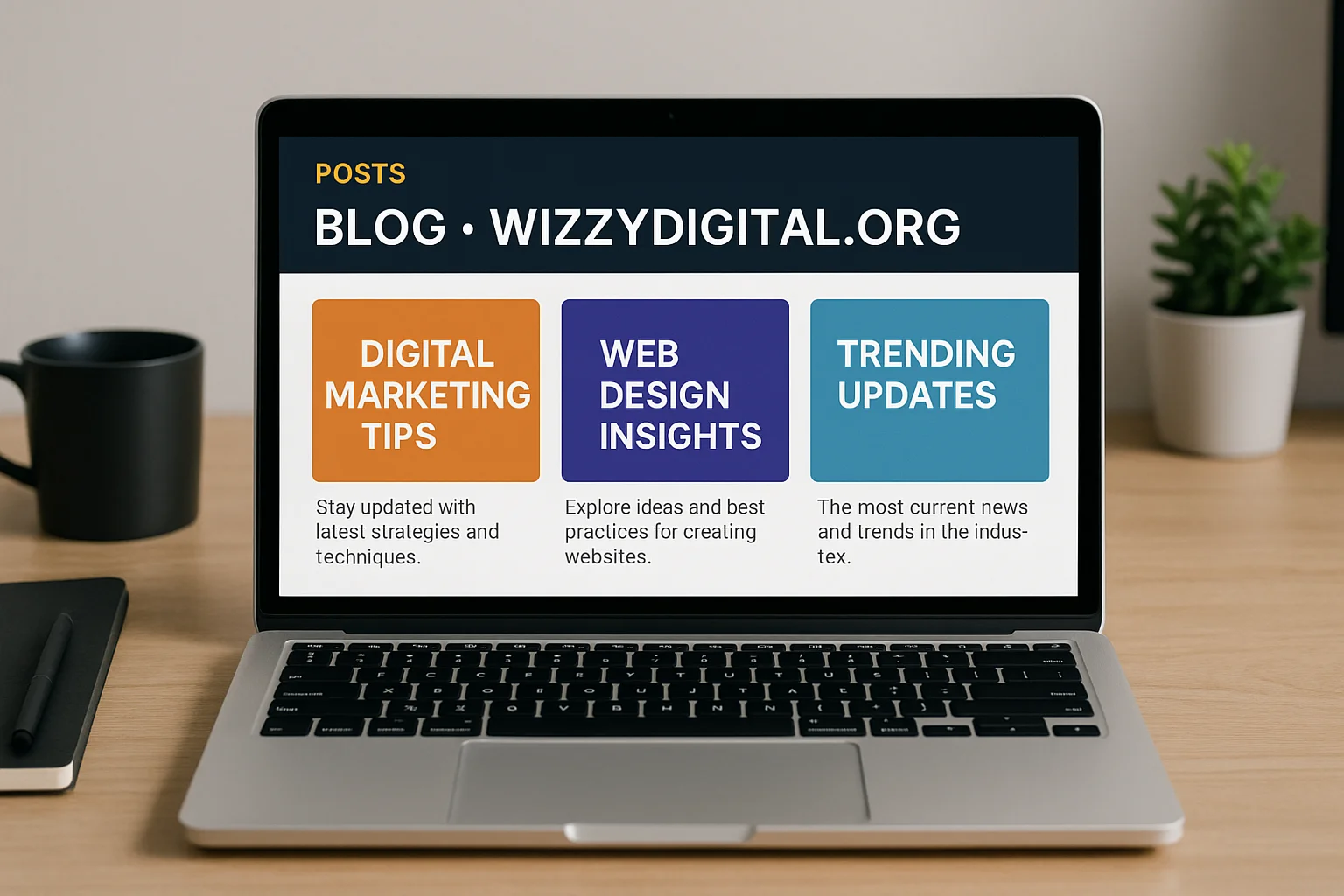
Introduction to @wizzydigital.org
In @wizzydigital.org digital-first world, businesses and individuals are constantly looking for reliable platforms that can help them navigate online growth, digital marketing strategies, and technological advancements. One name that has started appearing in various online discussions is @wizzydigital.org. Whether you encounter it in emails, digital campaigns, or technology-related conversations, the keyword sparks curiosity about what it represents and how it fits into the modern digital ecosystem.
At its core, @wizzydigital.org appears to be associated with a digital-focused environment where communication, marketing, and technological services intersect. The “@” symbol usually indicates an email identity or digital contact, suggesting that the term may represent an official communication channel or brand identity linked with the domain wizzydigital.org. In many cases, such identifiers are used by organizations to establish credibility and a consistent online presence.
Understanding the significance of platforms or domains like @wizzydigital.org is important because digital branding has become essential in modern business. Companies today rely heavily on domain-based identities for outreach, customer communication, and professional networking. A clear and professional digital identity helps organizations stand out in an increasingly competitive online marketplace.
Another reason why terms like @wizzydigital.org gain attention is the growing reliance on digital tools for collaboration, marketing automation, and customer engagement. As businesses move their operations online, domain-based branding plays a vital role in establishing authority and trust. This makes it worthwhile to explore how such identifiers contribute to the broader digital environment.
Ultimately, @wizzydigital.org represents more than just a combination of characters. It reflects how digital organizations build recognizable identities that help them communicate, promote services, and maintain a professional online footprint.
The Meaning and Structure Behind @wizzydigital.org
To fully understand @wizzydigital.org, it helps to break the term down into its components. The “@” symbol is commonly used in email addresses and online identifiers, linking a user or department with a specific domain. Meanwhile, “wizzydigital” suggests a focus on digital expertise, technology, or creative solutions within the online space.
The word “wizzy” often carries the connotation of something quick, smart, or innovative. When combined with “digital,” it hints at a brand identity that emphasizes creativity, efficiency, and technological knowledge. Organizations frequently choose such names to communicate their forward-thinking approach and their ability to provide modern digital solutions.
The domain extension “.org” traditionally represents organizations, communities, or initiatives that prioritize collaboration, public engagement, or informational services. While not limited to nonprofit groups, the .org extension often signals credibility and professionalism. As a result, a domain like wizzydigital.org may position itself as a trusted source for digital resources, expertise, or services.
Another interesting aspect of domain-based identifiers is how they support structured communication. When organizations use addresses linked with their domain, such as @wizzydigital.org, it allows them to maintain consistency across departments, employees, and digital campaigns. This structure makes it easier for clients and partners to recognize official communication.
Furthermore, the combination of branding and domain structure helps organizations build a memorable online presence. In a world where digital interactions happen at lightning speed, having a clear and recognizable domain identity can significantly enhance brand visibility.
Potential Uses of @wizzydigital.org in the Digital Space
Domains like @wizzydigital.org can serve a variety of purposes depending on the organization behind them. One of the most common uses is professional communication. Businesses often create email addresses based on their domain to interact with clients, partners, and customers. These addresses signal authenticity and professionalism compared to generic email services.
Another possible use involves digital marketing and branding. Companies frequently incorporate their domain names into marketing campaigns, newsletters, and promotional content. By doing so, they reinforce brand recognition while ensuring that their audience associates the domain with valuable information or services.
In addition to communication and marketing, domains such as wizzydigital.org may also function as content hubs. Organizations often build websites that host blogs, tutorials, case studies, and digital resources. These platforms allow them to share knowledge while establishing themselves as experts in their respective industries.
Furthermore, domains can be used to support customer service and engagement. Many businesses create dedicated email channels for support, inquiries, and feedback. When customers reach out through a domain-based address, they feel more confident that their message is being handled by an official representative.
Lastly, the domain could also play a role in digital collaboration. Teams working remotely often rely on domain-based tools for communication, file sharing, and project management. This helps maintain a unified digital environment where employees and partners can collaborate efficiently.
Why Domain-Based Identities Matter in Today’s Online World
The digital age has made it essential for organizations to maintain a strong and trustworthy online identity. Domain-based identifiers like @wizzydigital.org contribute to this goal by creating a consistent and professional communication structure. When customers receive messages from a branded domain, they are more likely to trust the sender.
Another important benefit is brand recognition. Every interaction that includes a domain name reinforces the brand in the minds of users. Over time, repeated exposure helps establish familiarity, which can translate into customer loyalty and stronger engagement.
Security is another major factor. Phishing scams and fraudulent communications are increasingly common online. Organizations that use official domain-based email addresses make it easier for recipients to verify authenticity. This simple step can significantly reduce confusion and protect both businesses and customers.
In addition, domain identities support scalability. As businesses grow, they can easily create new addresses for departments, teams, or services under the same domain. This keeps communication organized and ensures that the brand remains consistent across different operations.
Finally, domain-based identities align with modern expectations of professionalism. In an era where digital interactions dominate business communication, having a recognizable and structured domain presence is no longer optional—it’s a necessity.
The Role of Digital Branding and Innovation
Digital branding has evolved far beyond logos and slogans. Today, a brand’s identity includes its domain name, online communication style, and digital footprint. Identifiers like @wizzydigital.org play a small but important role in shaping how audiences perceive an organization.
A strong digital brand creates credibility and authority. When people encounter a well-structured domain name, they often associate it with professionalism and expertise. This perception can influence whether potential clients choose to engage with a business or explore its services further.
Innovation is another key element of successful digital branding. Companies that adopt modern tools, automation systems, and interactive platforms demonstrate their ability to adapt to changing technological trends. A domain name tied to a digital-focused brand often signals that the organization values innovation and efficiency.
Moreover, digital branding helps organizations tell their story. Through websites, blogs, social media, and email communication, they can share insights, achievements, and industry knowledge. This storytelling approach strengthens the connection between brands and their audiences.
Ultimately, digital innovation and branding go hand in hand. A well-chosen domain name becomes a central part of this strategy, helping organizations maintain a consistent and memorable online presence.
Future Possibilities for Platforms Like @wizzydigital.org
As technology continues to evolve, domains like @wizzydigital.org may play an even greater role in shaping digital communication and collaboration. Emerging technologies such as artificial intelligence, automation, and cloud computing are transforming how organizations interact with their audiences.
In the future, domain-based platforms could integrate more advanced tools for customer relationship management, data analytics, and personalized marketing. These technologies would allow organizations to better understand their audiences and deliver more relevant content or services.
Another potential development is the expansion of digital communities. Many organizations use their domains to host forums, discussion groups, or knowledge-sharing platforms. This approach encourages collaboration and helps build loyal communities around shared interests or professional goals.
Additionally, cybersecurity will remain a top priority. As online threats become more sophisticated, organizations will need to implement stronger security protocols to protect their domain communications. This includes encryption, authentication systems, and advanced monitoring tools.
Finally, the growth of remote work and global collaboration means that domain-based identities will continue to play a central role in professional communication. Platforms like wizzydigital.org may evolve into comprehensive digital ecosystems that support communication, marketing, learning, and innovation.
Conclusion
The keyword @wizzydigital.org may initially appear simple, but it represents an important concept in the modern digital world: the power of domain-based identity. Whether used for communication, marketing, or collaboration, such identifiers help organizations maintain professionalism, credibility, and brand recognition.
By combining a memorable brand name with a structured domain extension, wizzydigital.org demonstrates how digital platforms create a strong online presence. From email communication to content distribution, domains serve as the backbone of many digital operations.
As technology continues to advance, the importance of clear and trustworthy digital identities will only grow. Organizations that invest in strong domain branding will be better positioned to connect with their audiences, protect their communications, and adapt to evolving digital trends.